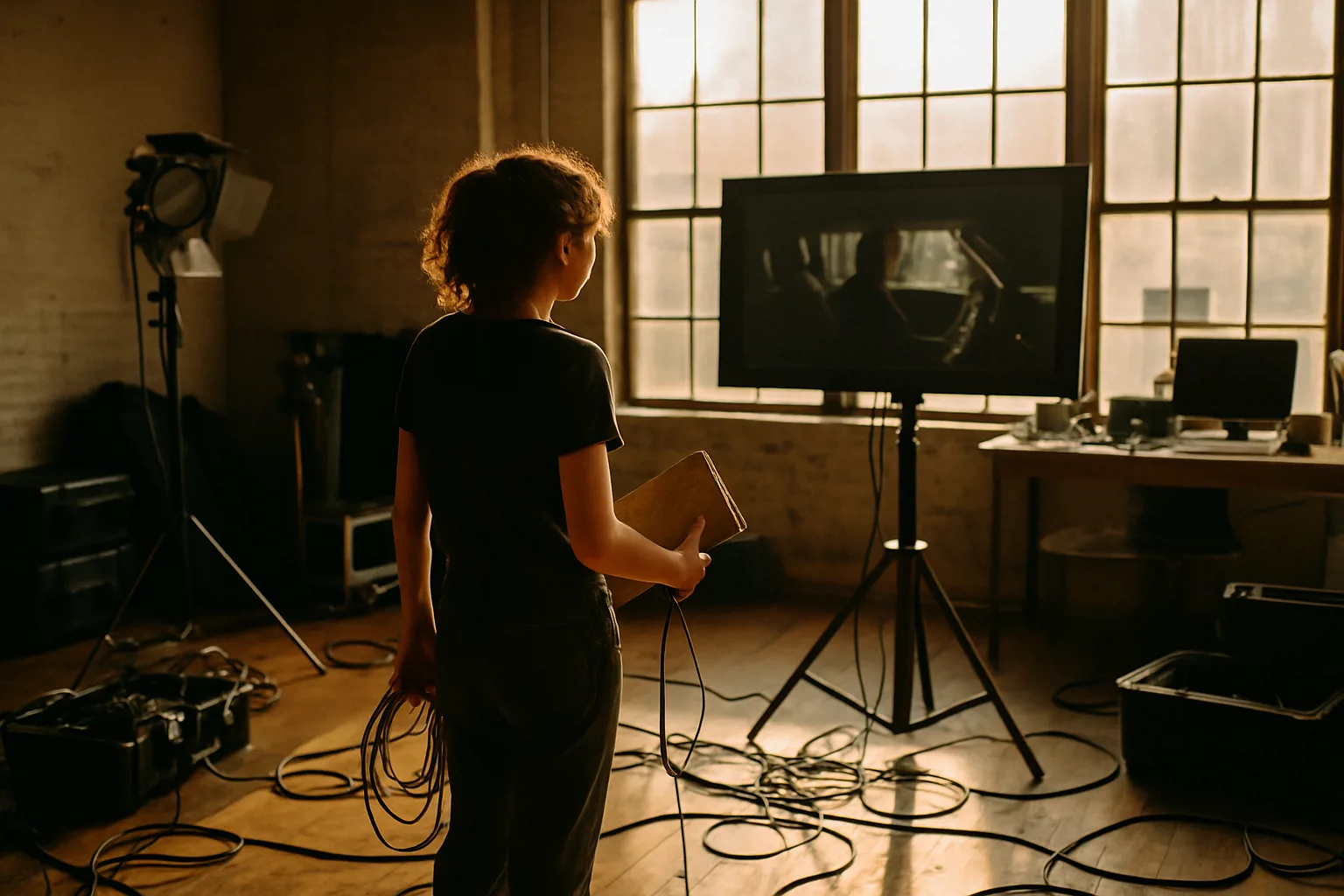
Explore how cutting-edge cinematography trends are transforming filmmaking and enhancing viewer engagement in 2026.
- Filmmaking is becoming more accessible with advanced tools and platforms.
- AI integration is redefining how films are shot and edited.
- Audiences are drawn to authenticity and emotional storytelling.
- Virtual production techniques are revolutionizing cinematic visuals.
- The role of the Director of Photography is evolving to meet new technological demands.
The world of cinematography is undergoing a seismic shift, where technological advancements and evolving audience preferences are converging to redefine modern filmmaking. As filmmakers adapt to these changes, they are finding new ways to captivate viewers and tell more compelling stories.
The Democratization of Filmmaking
The advent of accessible tools and platforms like Blender and Lightcraft Spark is democratizing the filmmaking process, allowing creators with limited budgets to produce high-quality films. The success of films like Backrooms, which grossed $367 million on a $10,000 budget, exemplifies this trend.
- Platforms integrate screenplay development, planning, and 3D visualization.
- AI-driven tools enable pre-visualization of productions.
- Low-budget productions achieve commercial success.
AI's Role in Modern Cinematography
AI has transitioned from being a novelty to an essential tool in filmmaking, enabling the concept of "Prompt Cinematography". This innovation allows filmmakers to manipulate visual elements such as lighting and camera angles without the need for physical sets.
AI-Driven Platforms
Platforms like Mootion and Higgsfield Cinema Studio are at the forefront, providing filmmakers with the ability to create rough cuts and make real-time adjustments.
"The integration of AI into filmmaking is not just about efficiency; it’s about expanding creative possibilities and enhancing storytelling."
The Shift Towards Authentic Emotional Storytelling
As audiences crave genuine human connections, filmmakers are prioritizing authenticity over technical perfection. This trend is especially evident in wedding videography, where cinematic storytelling and documentary-style filming capture unscripted emotions.
Documentary-Style Filming
Filmmakers focus on candid moments, creating narratives that resonate emotionally with viewers.
Virtual Production Techniques
With the use of LED volumes and real-time game engines, filmmakers are crafting immersive worlds without physical constraints. This approach offers creative flexibility, cost savings, and the ability to visualize scenes dynamically.
| Technique | Benefit |
|---|---|
| LED Volumes | Immersive world-building |
| Real-Time Rendering | Dynamic scene visualization |
The Evolving Role of the Director of Photography
The Director of Photography (DP) is taking on a more strategic role in the filmmaking process, engaging earlier and remaining involved throughout production to ensure the vision is executed seamlessly.
This expanded role involves collaboration with various departments to integrate new technologies and maintain the narrative's visual integrity.
Business Implications and Future Prospects
Businesses in the film industry can leverage these trends to enhance their productions and reach wider audiences. By embracing technological innovations and authentic storytelling, they can create more engaging content that resonates with viewers.
As these trends continue to evolve, businesses that adapt will not only thrive but also lead the way in shaping the future of filmmaking. Now is the time to invest in these advancements to stay ahead in a competitive market.
Frequently Asked Questions
What is 'Prompt Cinematography'?
Prompt Cinematography is a process where AI allows filmmakers to manipulate visual elements like lighting and camera angles without physical sets.
How are AI tools used in post-production?
AI tools streamline tasks like rough cuts and color matching, allowing human creatives to focus on storytelling.
Why is there a trend towards analog aesthetics?
Analog aesthetics evoke nostalgia and authenticity, appealing to audiences seeking genuine connections.
Sources
- Backrooms and Obsession changed the rules of filmmaking - now the tools are finally catching up
- The State of Cinema 2026: 5 Trends Redefining Filmmaking, From AI to Authenticity
- The photography trends in 2026 will be for less perfection and more human - and even this AI-focused software company agrees!
- Best Wedding Videography Trends in 2026 – Tower Studios
- 7 Cutting-Edge Cinematography Trends for Dynamic Visuals | Filmbaker
- Top Filmmaking & Video Production Trends in 2026 | feyn.vision — Stefan Dragomirescu
- 10 filmmaking trends shaping cinema in 2026 | Envato Blog
- The Evolving Role of the Director of Photography in 2026 — Drew Lauer