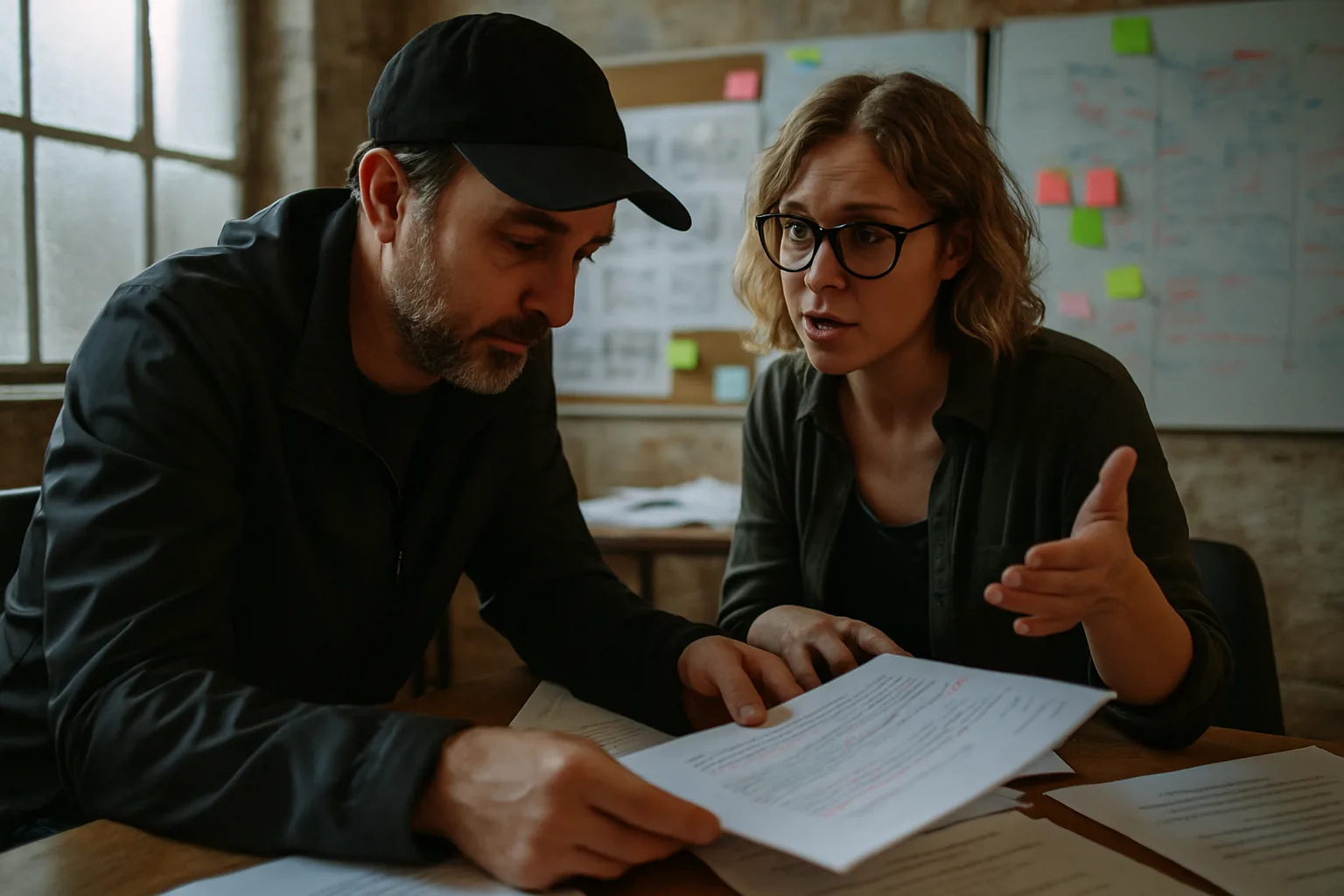
Discover the essential steps in pre-production that lay the groundwork for creating high-quality and successful video projects.
- Pre-production is the most critical phase in video production, setting the foundation for quality outcomes.
- Concept development and scriptwriting define the video's purpose and narrative.
- Storyboarding and budgeting help visualize and allocate resources effectively.
- Proper scheduling and casting ensure a smooth production process.
- Legal and technical preparations prevent future hurdles and delays.
In the exhilarating world of video production, the journey from script to screen is a fascinating one. However, the unsung hero of this process is the pre-production phase, a critical stage that lays the groundwork for a seamless and successful video outcome. Understanding and executing this phase meticulously can be the difference between a mediocre video and a masterpiece.
Concept Development: Defining the Vision
The first step in pre-production is concept development. This involves defining the video's purpose, identifying the target audience, and articulating key messages. During this phase, ideas are brainstormed, and the most compelling concept is selected. This step is crucial as it sets the creative direction of the project, ensuring that the video resonates with its intended audience and fulfills its purpose effectively.
Scriptwriting: Crafting the Narrative
Once the concept is solidified, the next step is scriptwriting. A well-crafted script outlines the dialogue, actions, and scenes. It serves as the blueprint for the entire project, aligning with the objectives and engaging the audience. The script must be detailed and precise, providing a clear narrative flow and direction for the production team.
Storyboarding and Budgeting: Visualizing and Planning Resources
Storyboarding: Mapping the Visual Journey
Storyboarding involves creating visual representations of each scene. This step helps in planning the visual flow of the video and identifying potential challenges in advance. Storyboarding is invaluable for refining the narrative structure and ensuring that all team members share a common vision.
Budgeting: Allocating Resources Wisely
Effective budgeting is essential in pre-production. It involves estimating costs for equipment, locations, talent, and post-production tasks. Proper budgeting helps allocate resources efficiently, preventing overspending and ensuring the project remains financially viable.
Scheduling and Casting: Organizing the Production Process
Scheduling: Timing is Everything
A comprehensive production schedule details each phase of the project. Coordinating the availability of cast, crew, and locations is crucial to make efficient use of time and resources, minimizing delays and misunderstandings.
Casting: Assembling the Right Team
Casting and crew selection involve choosing the right actors and assembling a skilled production team. Each participant must understand their roles and responsibilities, contributing to a harmonious and effective working environment.
Location Scouting and Technical Planning: Setting the Scene
Location Scouting: Finding the Perfect Backdrop
Location scouting is about identifying and securing appropriate filming locations. This step includes obtaining necessary permits and assessing logistical considerations, ensuring that the locations align with the creative vision and are practical to use.
Technical Planning: Preparing for Execution
Determining the technical requirements is another critical step. This includes planning for cameras, lighting, sound equipment, and any special effects. Technical planning ensures that all necessary tools are available and properly configured for production.
Legal and Administrative Preparations: Ensuring Compliance
Handling legal and administrative preparations is crucial to avoid future complications. This involves managing contracts, release forms, and insurance, as well as ensuring compliance with legal and regulatory requirements. Proper documentation protects the project from potential legal issues.
"Pre-production is not just a phase; it's the backbone of every successful video project."
The Business Benefits of Thorough Pre-Production
For businesses, investing in comprehensive pre-production processes can lead to significant benefits. By laying a solid foundation, pre-production minimizes risks, enhances the quality of the final product, and ensures a smoother production process. This strategic approach not only saves time and resources but also maximizes the return on investment, ultimately contributing to the overall success of the video project.
Frequently Asked Questions
Why is pre-production important in video production?
Pre-production is crucial as it lays the groundwork for the entire production process, ensuring that all elements of the video are planned and organized before filming begins.
What is the role of storyboarding in pre-production?
Storyboarding helps visualize each scene, allowing the team to plan the visual flow, identify potential challenges, and refine the narrative structure before filming.
How does budgeting impact video production?
Budgeting helps estimate costs and allocate resources efficiently, preventing overspending and ensuring the project remains financially viable.
What is the significance of location scouting?
Location scouting ensures that filming locations are appropriate for the creative vision and practical for production, including obtaining necessary permits and assessing logistics.
How do legal preparations contribute to successful video production?
Legal preparations ensure compliance with regulations, protect the project from potential legal issues, and involve managing contracts, release forms, and insurance.
Sources
- What Is Pre Production? | Restream Learn
- Three Stages of Video Production: Guide for Beginners
- What is Pre-Production in Film? A Complete Guide — Rob Pinney Studio
- Pre-Production Process Explained (Step-by-Step Guide) | Boords
- The 3 Stages of the Video Production Process: A Simple Guide
- The Importance of Pre-Production in Video Production