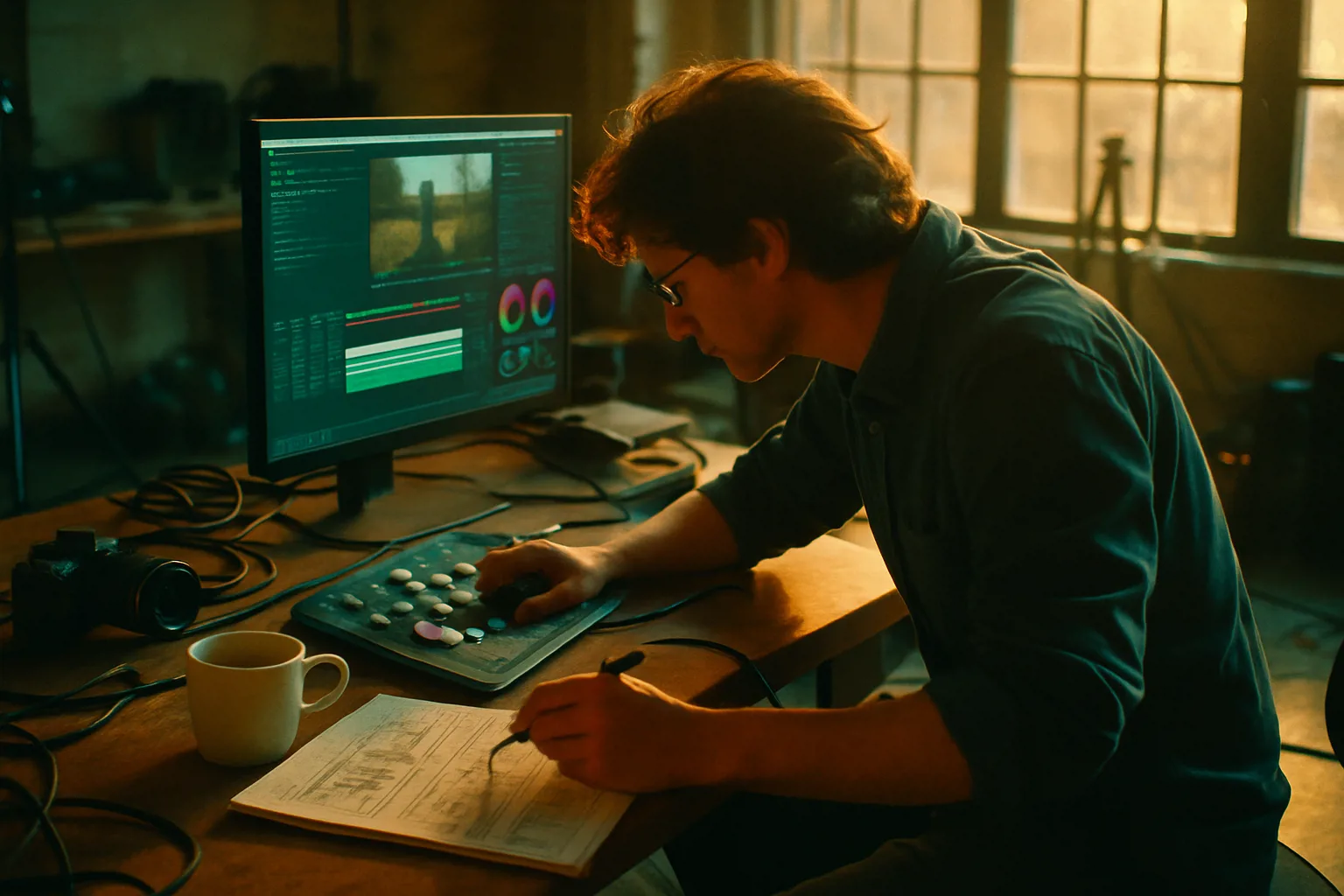
AI is revolutionizing video production by enhancing efficiency, reducing costs, and expanding creative possibilities, while also presenting challenges such as data privacy and job market shifts.
- AI models now generate high-resolution 4K videos with integrated audio.
- The AI video market is experiencing rapid growth, projected to reach $3.35 billion by 2034.
- AI has drastically reduced production costs and time, making video creation more accessible.
- Filmmakers must address data privacy and adapt to evolving job roles due to AI.
- Major studios integrate AI to enhance efficiency without replacing human creativity.
Artificial Intelligence (AI) is undeniably reshaping the landscape of video production, offering unprecedented opportunities for filmmakers while also introducing new challenges. As of 2026, AI technologies are not only enhancing the efficiency of production workflows but also expanding the creative horizons of filmmakers worldwide.
AI Advancements in Video Generation
Recent advancements in AI video generation have significantly raised the bar for production quality. AI models like Google's Veo 3.1 and Kling 3.0 now enable the creation of native 4K videos at 60 frames per second, a standard that meets the expectations of professional filmmakers.
Audio Integration
Modern AI tools are not just about visuals; they are also producing synchronized audio alongside video. This integration streamlines the post-production process, making it more efficient for filmmakers who can now focus more on creative storytelling rather than technical synchronization.
"AI isn't just a tool; it's becoming an integral part of the creative process in filmmaking."
Market Growth and Industry Adoption
The AI video generation market is experiencing a rapid expansion, with projections indicating growth from $716.8 million in 2025 to approximately $946 million in 2026. By 2034, the market is expected to reach a staggering $3.35 billion.
- Widespread Use: Around 75% of direct-to-consumer brands are already incorporating AI-generated videos into their marketing campaigns, showcasing a mainstream acceptance of this technology.
- Cost and Time Efficiency: The cost of producing a finished minute of video has dropped by about 91%, from $4,500 to $400, drastically reducing the financial barrier for filmmakers.
- Time Savings: The time required to create a 60-second marketing video has been cut from 13 days to just 27 minutes, offering filmmakers unprecedented speed in production cycles.
Challenges: Data Privacy and Job Market Dynamics
Despite these advancements, the integration of AI into video production is not without its challenges. One of the primary concerns is data privacy and control. There's a growing emphasis on running AI processes locally to protect proprietary assets and maintain creative control.
Impact on Jobs
AI's role in streamlining tasks is also leading to significant shifts in the job market. While AI reduces the need for repetitive tasks, it requires professionals to acquire new skills and adapt to evolving roles within the industry.
Enhancing Creative Tools and Workflows
Beyond efficiency, AI is enhancing the creative tools available to filmmakers. Software like Wondershare Filmora 15 includes features such as AI Video Extender and Prompt Video Editing, which cater to both amateur and professional editors.
Infrastructure Integration
Major studios are adopting a "creator in the loop" model, integrating AI as essential infrastructure to enhance efficiency while preserving human creativity. Companies like Autodesk focus on AI tools that alleviate repetitive tasks, allowing artists to concentrate more on creative aspects.
Conclusion: The Future of Filmmaking
AI is undeniably transforming video production, bringing both opportunities and challenges. For businesses in the film industry, embracing AI can lead to enhanced efficiency and creativity, but it also demands thoughtful navigation of data privacy and job market dynamics. By integrating AI strategically, filmmakers can leverage its benefits to produce compelling narratives that captivate audiences worldwide.
Frequently Asked Questions
How is AI improving video production quality?
AI models like Google's Veo 3.1 and Kling 3.0 produce native 4K videos at 60 fps, meeting professional production standards.
What is the impact of AI on video production costs?
AI has reduced the cost of producing a minute of video by approximately 91%, from $4,500 to $400, making production more affordable.
How are filmmakers addressing data privacy concerns with AI?
Filmmakers emphasize running AI processes locally to maintain data privacy and control over proprietary assets.
Sources
- AI Video Trends 2026: The 6 Shifts Defining the Year | Cliprise
- The State of AI Video Generation 2026 — Market, Models & Trends Report
- The State of AI Video in 2026 | 8frame
- Wondershare Filmora AI video editor (2026) review
- The case for moving creative production AI to the edge
- How AI is Changing Hollywood Film Production (2026)
- Hollywood reframes AI as infrastructure, not replacement
- Autodesk's SIGGRAPH announcements look unrelated, but they all solve the same huge problem