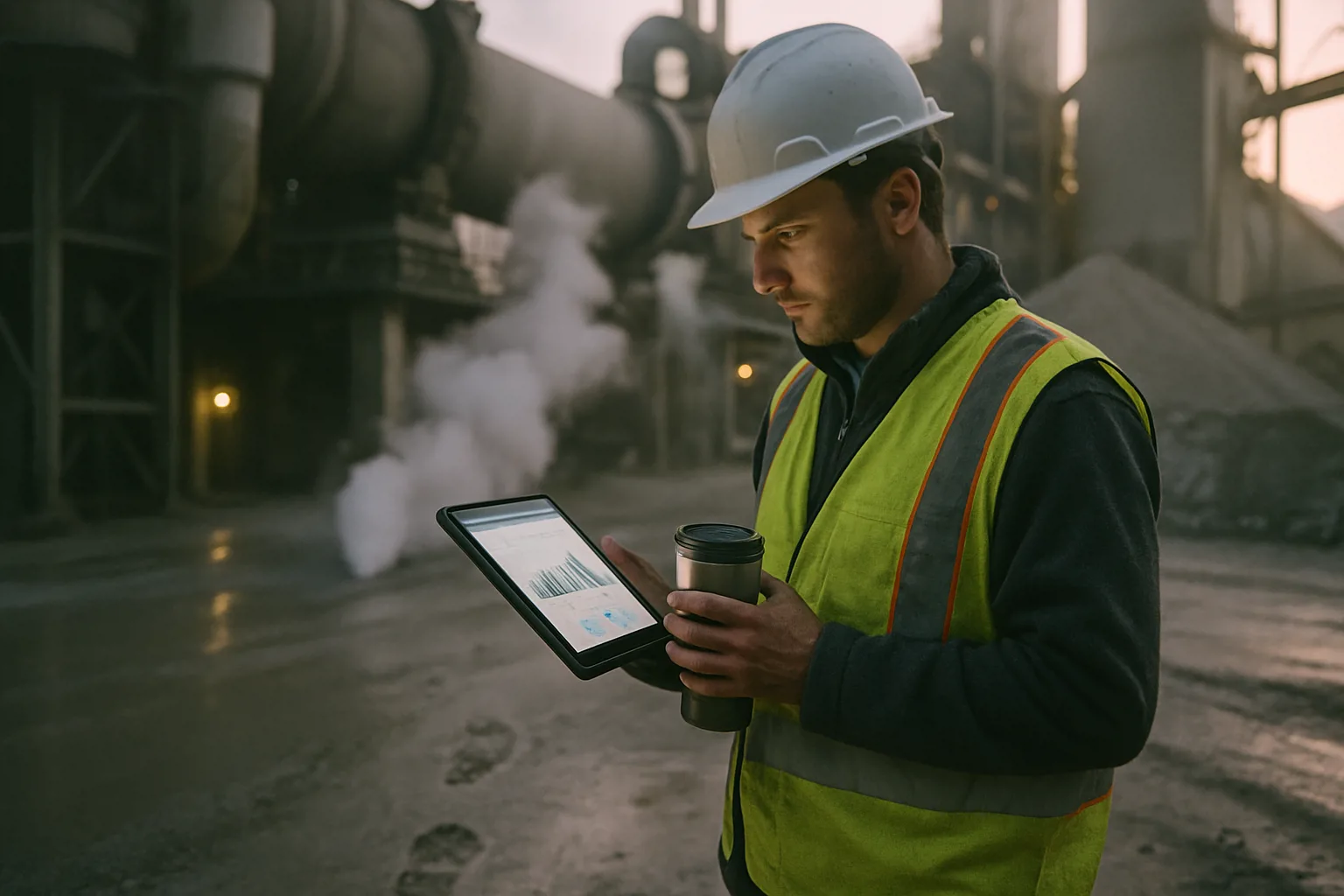
The U.S. Department of Energy's Industrial Demonstrations Program is spearheading efforts to decarbonize the cement and concrete industry through innovative projects and technologies, paving the way for a sustainable future.
- DOE's program targets a significant reduction in carbon emissions for cement and concrete.
- Innovative projects use alternative materials and methods to lower carbon footprints.
- The program supports the U.S. goal of net-zero emissions by 2050.
- Industry and government collaboration is key to advancing low-carbon technologies.
The cement and concrete industry is under a transformative wave of innovation, driven by the U.S. Department of Energy's (DOE) Industrial Demonstrations Program. With a focus on reducing carbon emissions, this initiative is setting the stage for a sustainable future in construction materials.
Innovative Approaches to Low-Carbon Cement
Several groundbreaking projects have been selected by the DOE to lead the charge in decarbonizing cement production. These projects are not only ambitious but also pivotal in reshaping the industry's landscape.
- Calcined Clay Production for Limestone Calcined Clay Cement: Located in Troutville, VA, this project by Roanoke Cement Company aims for an 83% reduction in carbon intensity by replacing clinker with calcined clay.
- Deeply Decarbonized Cement: Brimstone Commercial, LLC plans a plant that will prevent over 77,000 metric tons of CO₂ annually using alternative rocks and methods.
- First Commercial Electrochemical Cement Manufacturing: Sublime Systems is pioneering electrochemical methods to produce low-carbon cement in Holyoke, MA.
Achieving Net Zero with Advanced Projects
Two standout projects are pushing the boundaries of what's possible in sustainable cement production.
Lebec Net Zero Project
The National Cement Company of California's Lebec project aims for carbon-neutral production by integrating biomass utilization and CO₂ capture, sequestering 950,000 metric tons of CO₂ annually.
Mitchell Cement Plant Decarbonization Project
Heidelberg Materials US plans to capture 95% of CO₂ emissions at their Mitchell plant, marking a significant leap forward in emission reduction technologies.
"Innovation in cement manufacturing is pivotal to achieving the U.S.'s net-zero emissions goal by 2050."
Strategic Selection and Support Under Negotiation
Summit Materials, Inc. is poised to contribute significantly with their low-carbon calcined clay cement demonstration across multiple locations. This project aims to prevent 1.1 million metric tons of CO₂ emissions annually, targeting 2% of the U.S. cement demand by 2030.
Collaborative Efforts and Future Developments
The DOE is fostering collaboration through the planned Cement and Concrete Center of Excellence, which will accelerate the adoption of low-carbon technologies. Additionally, the C2EMENT Consortium, led by the Pacific Northwest National Laboratory, addresses the challenges of implementing these innovations.
Business Benefits and Sustainable Growth
Businesses stand to gain enormously from these innovations, not only by aligning with environmental goals but also by setting themselves apart as leaders in sustainable practices. By investing in low-carbon technologies, companies can reduce operational costs, meet regulatory requirements, and enhance their brand reputation.
For businesses in the cement and concrete industry, these DOE-supported projects represent not just a step toward sustainability, but an opportunity to lead in a new era of environmentally responsible construction.
Frequently Asked Questions
What is the main goal of the Industrial Demonstrations Program?
The program aims to reduce carbon emissions in the cement and concrete industry through innovative technologies and processes.
How does the Lebec Net Zero Project achieve carbon neutrality?
It utilizes biomass, produces limestone calcined clay cement, and captures and sequesters significant CO₂ emissions.
What is the role of the C2EMENT Consortium?
The consortium addresses challenges in adopting low-carbon cement technologies, focusing on measurement, verification, and alternative feedstocks.
Sources
- Industrial Demonstrations Program Selected and Awarded Projects: Cement and Concrete | Department of Energy
- U.S. Department of Energy Announces Plans To Create Low-Carbon Cement and Concrete Center of Excellence To Reduce Industrial Emissions | Department of Energy
- DOE Announces $18.6 Million to Three National Lab-led Projects to Facilitate Stakeholder Collaboration and Accelerate Industrial Demonstrations | Department of Energy